By Big Valley Staff, February 7 ,2025
And the Lord God planted a garden eastward in Eden; and there he put the man whom he had formed.
This Scripture gives us the first clue for gardening success. Location, location, location! Locate the Eastern portion of your land for optimal sun exposure. Great morning sun!

Soil Structure
Imagine stepping into your backyard, where your favorite vegetables, fruits and flowers thrive under your care, ready to be harvested and enjoyed. Growing your own food not only offers the freshest ingredients but also brings a sense of accomplishment and a deeper connection to nature. This article is written to help provide a starting point for growing your food, transforming even the smallest patch of land into a bountiful garden.
There are lots of articles, books, and blogs that talk about soil and how to improve it. You could spend hours reviewing all the information provided. It may make you feel overwhelmed and hopeless in trying to figure out what you have and how to fix it. We’re here today to simplify this for you.

Granular Soil
Very simply, granular soil structure is what you want.
This soil has high organic matter, it is crumbly, water soaks in and seeds germinate in it.
- it’s crumbly
- water soaks in
- seeds germinate
Good Soil
Healthy soil is fundamental to agriculture, ecosystems, and human survival.
Healthy soil is rich in essential nutrients, it has good structure and organic matter. Healthy soil bursts with life, including bacteria, fungi, earthworms, and insects. This biodiversity improves soil structure, enhances nutrient cycling, promotes strong root development and plant resilience, it also helps control pests and diseases naturally.
Soil with good structure and organic matter is less prone to erosion by wind and water. This stability protects the land, reduces sediment pollution in waterways, and preserves fertile topsoil.
Farmers benefit economically from healthy soil through increased crop yields, reduced need for chemical use, and improved resilience to weather extremes. This sustainability ensures long-term agricultural productivity.
By prioritizing soil health through practices like adding organic matter, rotating crops, and reducing chemical use, we can ensure a sustainable, productive agricultural system, support biodiversity, and eat delicious food! Healthy soil is the foundation of life, making it essential to care for and maintain it.
#1 Test the Soil
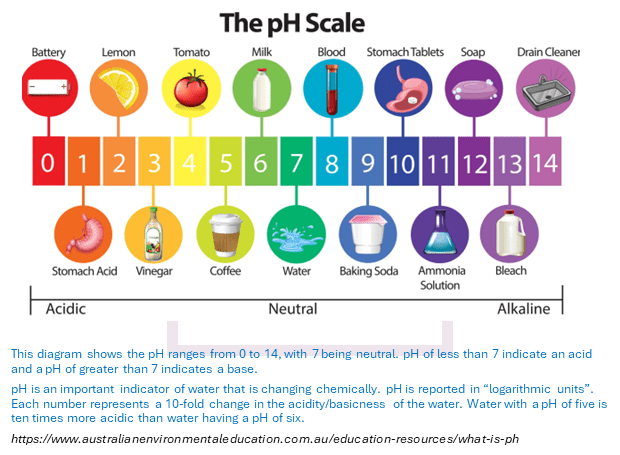
Plants generally prefer to grow in soil within the pH scale of 4.5 – 8.0
You will want to research each plant you grow, amend the soil in different areas of your garden to accommodate and then grow similar plants together.
Example:
Plant carrots and tomatoes together in the same patch of soil.
Carrots and tomatoes are known companion plants that grow well together and their soil pH preference is within the same range.
Carrots prefer 5.8 – 6.5
Tomatoes prefer 6.0 – 6.5
Amend
Mix in as many of these “ingredients” into your garden soil as you can: aged manure, compost, cut grass, leaves, lime, sawdust, sulfur, wood ashes
💡Helpful Hint: 💡
Lime raises pH
Sulfur lowers pH
This website is very helpful to learn how to change the pH of your soil:
“How To Change Your Soil’s pH”
https://yardandgarden.extension.iastate.edu/how-to/how-change-your-soils-ph

#2 Drain, Aerate, Mulch
Drain
Mix in perlite or vermiculite to enhance drainage and prevent waterlogging.
Perlite:
- What it is: A lightweight, porous material made from volcanic glass that’s heated to puff it up
- How it’s used: Improves drainage in compost and is often used for propagating cuttings and sowing seeds
- Benefits: Lightens the soil without adding too much weight
Vermiculite:
- What it is: A flaky material made from a naturally occurring mineral that’s heated to expand
- How it’s used: Retains water, making it ideal for potting plants that need moist compost
- Benefits: Helps maintain moisture for cuttings and seedlings
Aerate
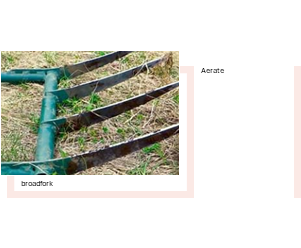
Use garden forks or aeration tools to create small holes in the soil, allowing air, water, and nutrients to penetrate more easily.
Mulch
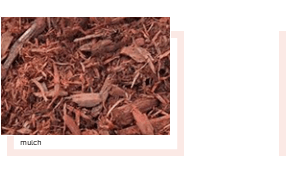
Apply a layer of mulch to the soil surface to retain moisture, regulate temperature, suppress weeds, and add organic matter as it decomposes.
#3 Rotate Crops
Rotate Crops
Rotate your crops each season to prevent soil depletion, reduce pest and disease buildup, and improve soil fertility. Crop rotation is a powerful technique to maintain healthy soil and boost crop yields. Here are some practical methods to rotate crops:
Understand Crop Families
- Legumes: Peas, beans, lentils
- Brassicas: Cabbage, broccoli, cauliflower
- Root Vegetables: Carrots, beets, radishes
- Leafy Greens: Spinach, lettuce, kale
- Night Shades: Tomatoes, potatoes, eggplants
Grouping crops by family helps in planning rotations as it prevents planting the same family in the same spot consecutively.
Follow a Simple Rotation Plan
Example:
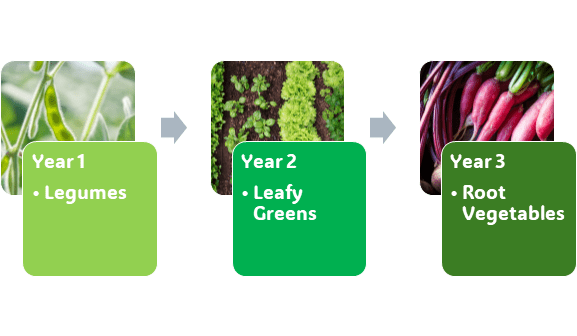
- Year 1: Plant legumes in one bed (fix nitrogen in the soil).
- Year 2: Follow legumes with leafy greens (utilize nitrogen).
- Year 3: Plant root vegetables (break up soil).

#4 Companion Plant, Row Intercrop, Cover Crop
Companion Plant
Combine crops that grow well together to naturally repel pests and enhance growth. For example, planting carrots alongside onions can deter carrot flies. Beans fix nitrogen in the soil, corn provides support for bean vines, and squash shades the ground to suppress weeds. There are lots of lists, charts, and books available online that will help you determine what to plant together.
Row Intercrop:
Plant different crops in alternating rows. This method allows each crop to benefit from the presence of the other while maintaining easy access for management and harvesting.
Cover Crop
Plant cover crops like clover, peas or rye during the off-season to add organic matter, fix nitrogen and prevent soil erosion. Crops like mustard reduce soil-borne diseases. Mustard contains compounds that kill nematodes and pathogenic fungi
#5 Diversify
Staggered Planting Times
Plant crops with different maturation times to ensure a continuous harvest and reduce competition for resources. For example, plant fast-growing radishes alongside slow-growing broccoli.
Optimize Plant Spacing
Vertical Layering: Use the vertical space by planting tall crops (like corn) alongside shorter crops (like beans) and ground-covering crops (like squash). This method maximizes sunlight and space utilization.Dense Planting: Plant crops closer together to create a microclimate that retains moisture and reduces weed growth. Ensure that each plant still has enough space to grow and thrive.
Hugelkultur
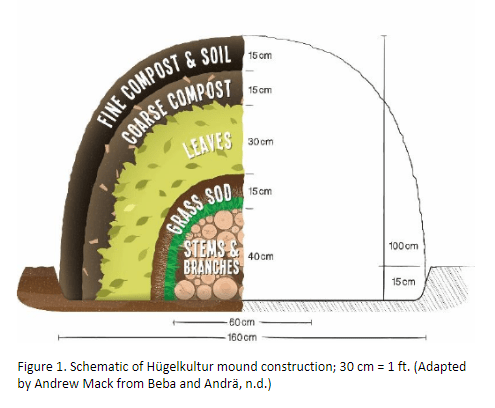
Hugelkultur is a fantastic way of transforming an area and making fertile soil!
Create raised beds by layering decaying wood debris and other organic materials, essentially acting as a self-composting mound that improves soil fertility, water retention, and provides long-term nutrients to plants by slowly releasing them as the wood breaks down, all while generating heat to extend the growing season; essentially making it a low-maintenance, drought-resistant garden bed with minimal need for additional fertilization or watering.
How it works:
- Base layer: A foundation of large logs or branches is laid down.
- Adding layers: Smaller wood pieces, leaves, grass clippings, and compost are layered on top of the wood.
- Soil topping: The pile is then covered with a layer of topsoil to allow plants to be planted.
Trench Composting
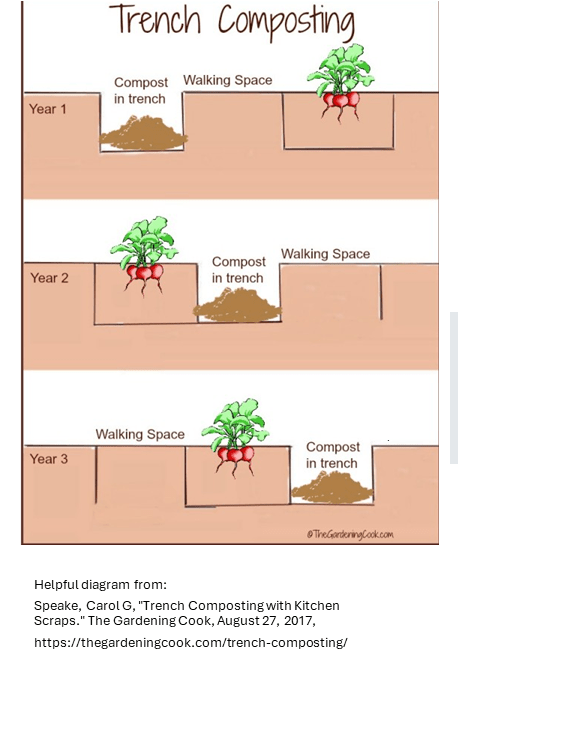
Trench composting allows you to continually work on the condition of the soil. As long as the ground is not frozen you can work in your garden potentially every day by walking your kitchen scraps out to the trench!
In a couple of weeks you should see that worms have moved in!
How it works:
- Dig a trench or hole in your garden.
- Drop in organic matter such as food scraps, garden clippings, cut grass, and cardboard.
- Cover it up with soil.
- Allow it to decompose in the trench underground for a few months.
#7 Continued Learning
Keep Records
Maintain a garden journal or spreadsheet to track what crops were planted where each year. This helps in planning future rotations and avoiding repetitive planting.
Using a computer spreadsheet makes for easy additions and rearranging of the information.
If you prefer to use paper journaling, consider using a 3 ring binder, loose leaf paper and a pencil with eraser to enable you to make adjustments to your notes more easily.
Continue to Learn
Continue your learning by visiting the following websites for more in depth material:
Sources:
Prescott, Cindy E and Straker, Justin. “Global Change and Forest Soils.” Science Direct, Elsevier, 2019,
Speake, Carol G, “Trench Composting with Kitchen Scraps.” The Gardening Cook, August 27, 2017,https://thegardeningcook.com/trench-composting/
Basset, Christelle, Najm, Majdi Abou, Ghezzehei, Teamrat, Hao, Xiaoxiao ,Daccache, André , “How does soil structure affect water infiltration? A meta-data systematic review”, Soil and Tillage Research Volume 226, Science Direct, ,February 2023 , https://www.sciencedirect.com/science/article/pii/S016719872200263X
Author Unknown, Health Guide’s Editorial, “List of 10 Plants Used in Phytoremediation.” Health Guide, August 22, 2022 https://healthguidenet.com/foods/plants-used-in-phytoremediation/
Curell, Christina, “Mustard as a Cover Crop.” ,Michigan State University Extension, Michigan State University, August 22, 2011, https://www.canr.msu.edu/news/mustard_as_a_cover_crop
Chen, Wen; Modi, Dixi; Picot, Adeline “Soil and Phytomicrobiome for Plant Disease Suppression and Management under Climate Change: A Review.
National Library of Medicince, Publisher, July 23, 2023,
https://pmc.ncbi.nlm.nih.gov/articles/PMC10384710/
Panth, Milan, Hassler, Samuel C.; Baysal-Gure, Fulyal* “Methods for Management of Soilborne Diseases in Crop Production” Tennessee State University, Department of Agricultural and Environmental Sciences, Otis L. Floyd Nursery Research Center, McMinnville, TN 37110, USA
Submission received: 17 December 2019 / Revised: 7 January 2020 / Accepted: 9 January 2020 / Published: 11 January 2020 https://www.mdpi.com/2077-0472/10/1/16
Luo, Qing Lana; Hentges, Casey; Wright, Carmen. “Sustainable Landscapes: Creating a Hügelkultur for Gardening with Stormwater Management Benefits”
OSU Extension, OKSTATE.EDU
Published Feb. 2020|Id: HLA-6501
Chalker-Scott, Linda. “HUGELKULTUR: WHAT IS IT, AND SHOULD IT BE USED IN HOME GARDENS?” ResearchGate, October 2022 ,
https://www.researchgate.net/profile/Linda-Chalker-Scott
https://www.bible.com/search/bible?query=garden
Jeffers, Andrew, Spartanburg Cooperative Extension, Horticulture and Natural Resource Agent, Clemson University, Clemson Cooperative Extension Home & Garden Information Center, “SOIL TEXTURE ANALYSIS “THE JAR TEST””, December 1, 2023
Hannan, Joe, “How To Change Your Soil’s pH.”Iowa State University Extension and Outreach, August 2024,
https://yardandgarden.extension.iastate.edu/how-to/how-change-your-soils-ph
“WHAT IS PH?”, Australian Environmental Education,
 ~BIG VALLEY DONKEY RANCH~