
By Big Valley Staff, February 8 ,2025
Plants play a crucial role in human survival by providing essential nutrients through food, producing the oxygen we breathe through photosynthesis, and offering various medicinal compounds, making them a vital component of our health and well-being.
Our bodies rely on plants to function properly, from basic needs like nutrition to more complex aspects like immune system support and mental health benefits.
Key points about the relationship between plants and the human body:
Food source:
Plants are the primary source of vitamins, minerals, fiber, and other nutrients humans need to maintain a healthy diet.
Oxygen production:
Through photosynthesis, plants release oxygen into the atmosphere, which is essential for human respiration.

Phytochemicals/Phytonutrients:
Plants contain various bioactive compounds called phytochemicals which have potential health benefits like antioxidant activity, anti-inflammatory properties, and cancer prevention.
Medicinal uses:
Many plants have been used traditionally and are still utilized in modern medicine as sources for drugs to treat various ailments.
Mental well-being:
Studies suggest that exposure to plants can positively impact mood, reduce stress, and enhance cognitive function.
Environmental impact:
Plants help regulate the climate, clean the air, and filter water, contributing to a healthy environment for humans.
There are several articles online which expand on the “Eat the Rainbow” concept. Below is an example, please click the link below the diagram to read more about it.
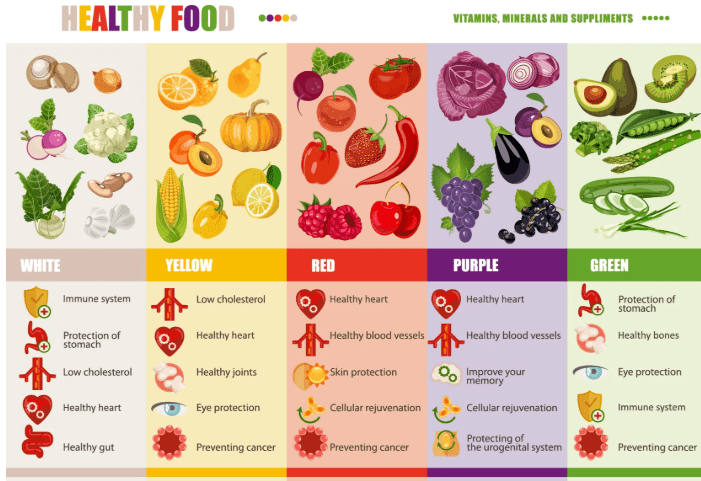
Eating From the Rainbow Jul 28, 2022 From <https://www.horizonhealthcare.org/eating-from-the-rainbow/>
Examples of how plants interact with the human body:
Antioxidants from fruits and vegetables: These compounds protect cells from damage caused by free radicals, potentially reducing the risk of chronic diseases.
Fiber in whole grains and legumes: Promotes digestive health by adding bulk to stool and regulating bowel movements.
Calcium in leafy greens: Essential for bone health and development.
Vitamin C in citrus fruits: Supports immune system function and wound healing.
Herbal remedies: Plants like chamomile, ginger, and lavender are used for their calming and therapeutic properties.
In conclusion, incorporating a diverse array of colorful fruits and vegetables into your daily diet is not only visually appealing but also immensely beneficial to your health. Each color brings its own unique set of vitamins, minerals, antioxidants, and phytochemicals that work together to improve your overall well-being.
By eating from the rainbow, you can enhance your immune system, protect against chronic diseases, support healthy aging, and boost your energy levels. So next time you plan your meals, remember to fill your plate with a vibrant mix of colors and enjoy the multitude of health benefits they offer.
Disclaimer: This content is not intended to be a substitute for professional medical advice, diagnosis, or treatment.
 ~BIG VALLEY DONKEY RANCH~